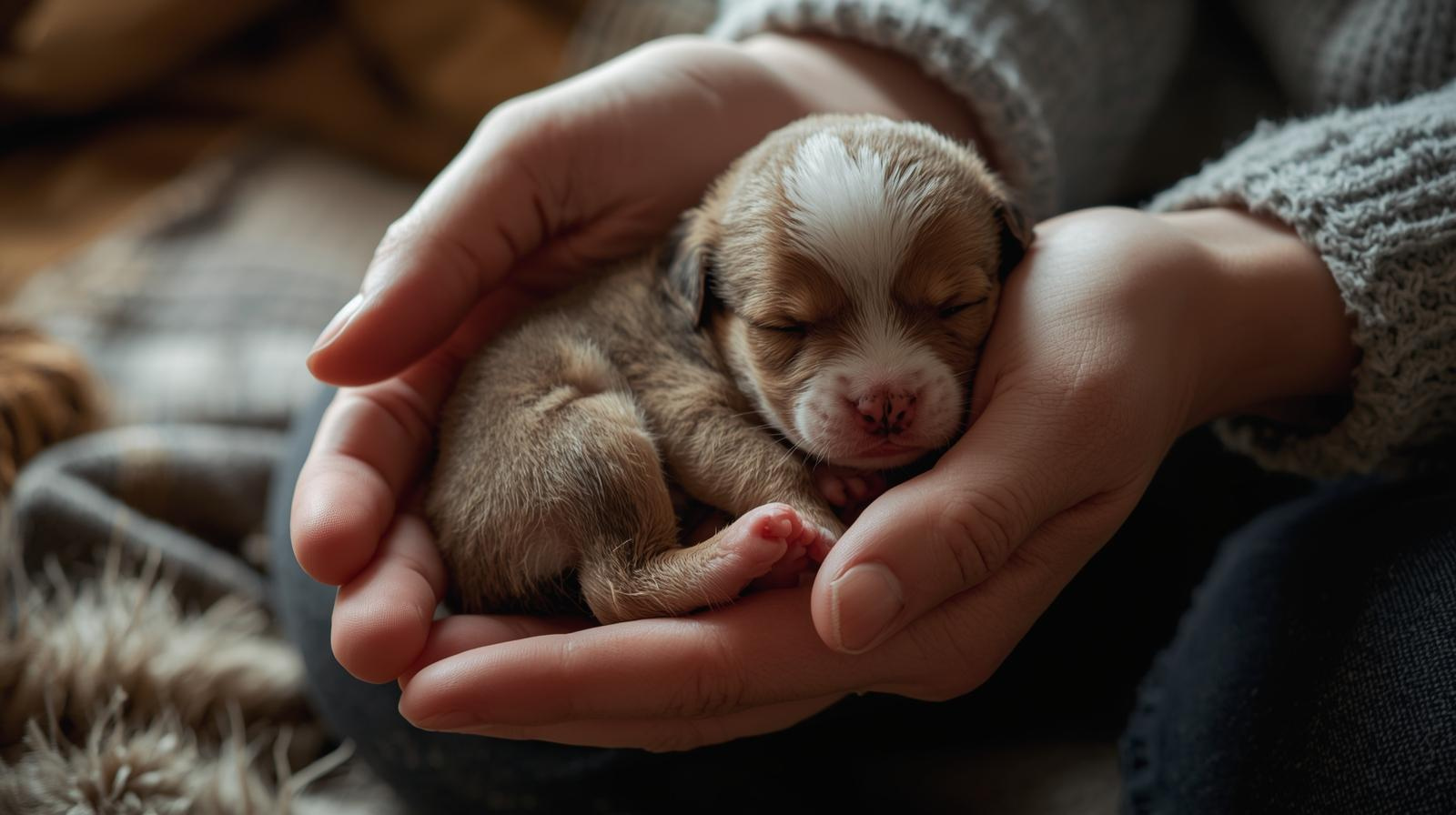
Socializing Your Puppy: Foundations for Confidence and Calm
The Importance of a Good Start
Socialization is one of the most important parts of raising a well-balanced, confident dog. It shapes how a puppy experiences the world — from meeting new people to hearing new sounds and visiting new places.
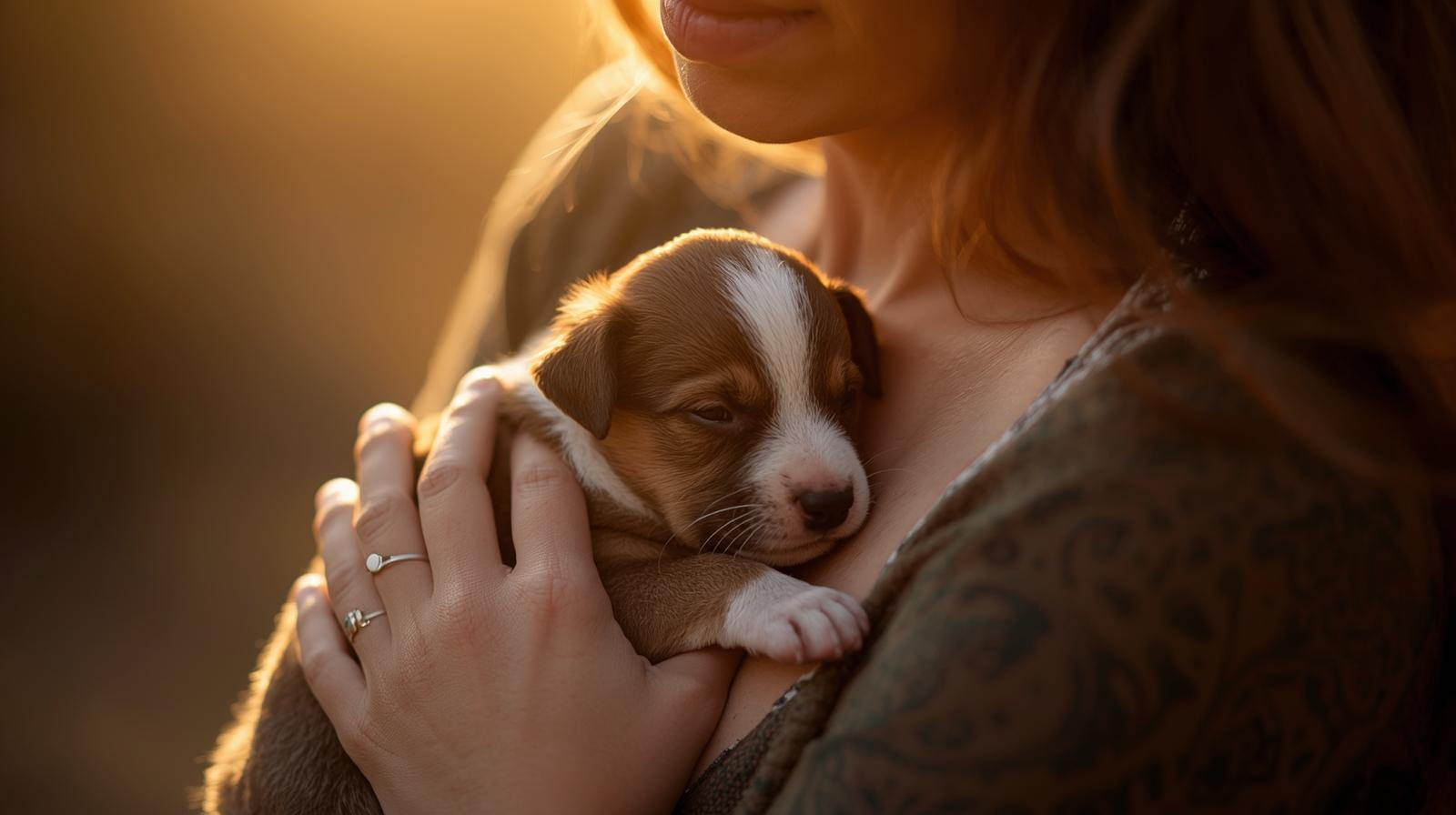
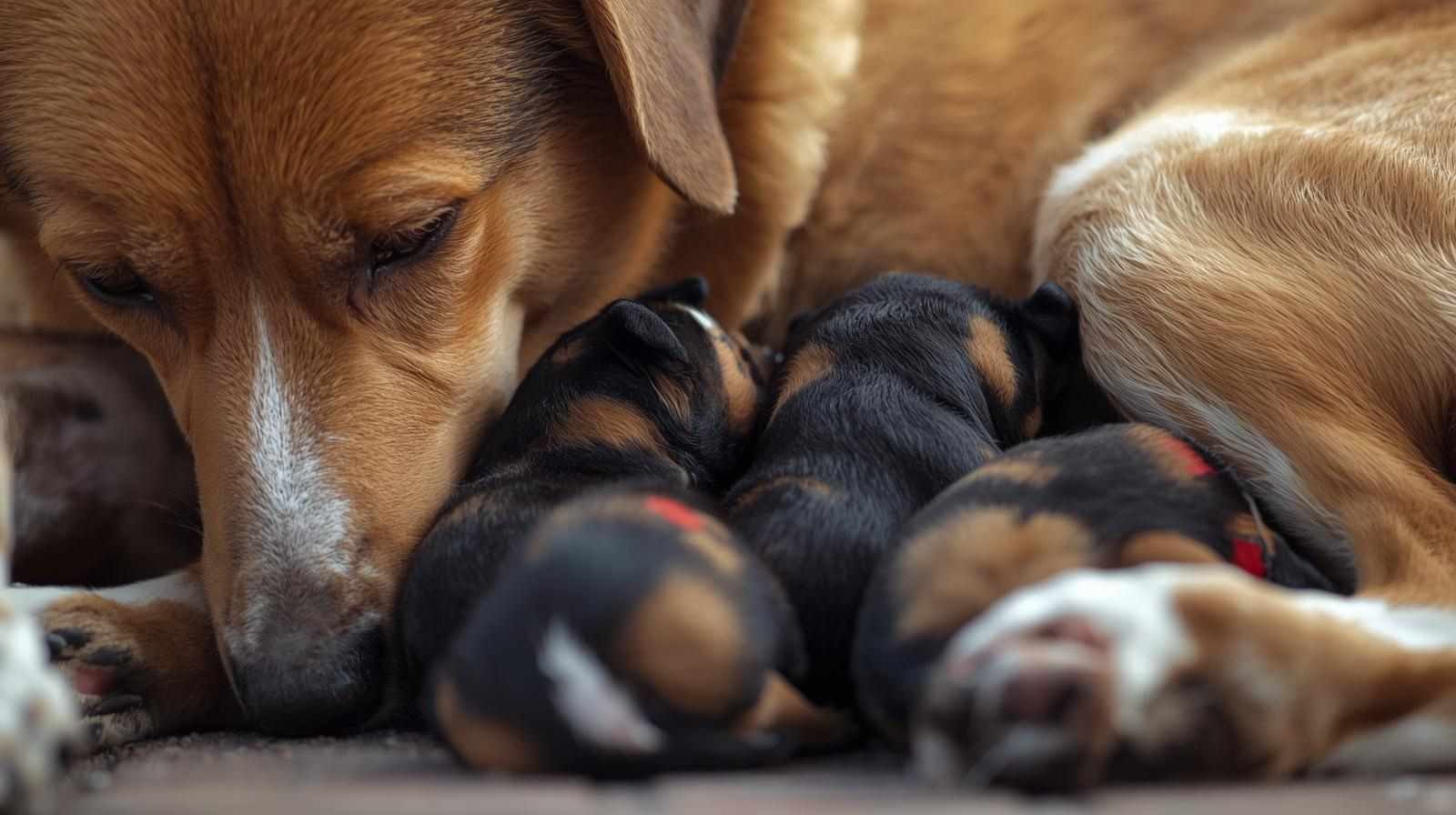
At Homemade Puppies, we believe socialization begins long before a puppy ever goes home. Breeders in our network introduce gentle, positive exposure that builds curiosity instead of fear. When families continue that work, they give their puppy the foundation for a lifetime of trust and emotional balance.
What Socialization Really Means
True socialization is not just meeting people or other dogs. It’s helping a puppy feel safe, calm, and comfortable in many different situations.
This includes exposure to:
- Everyday household sounds (vacuums, blenders, TVs)
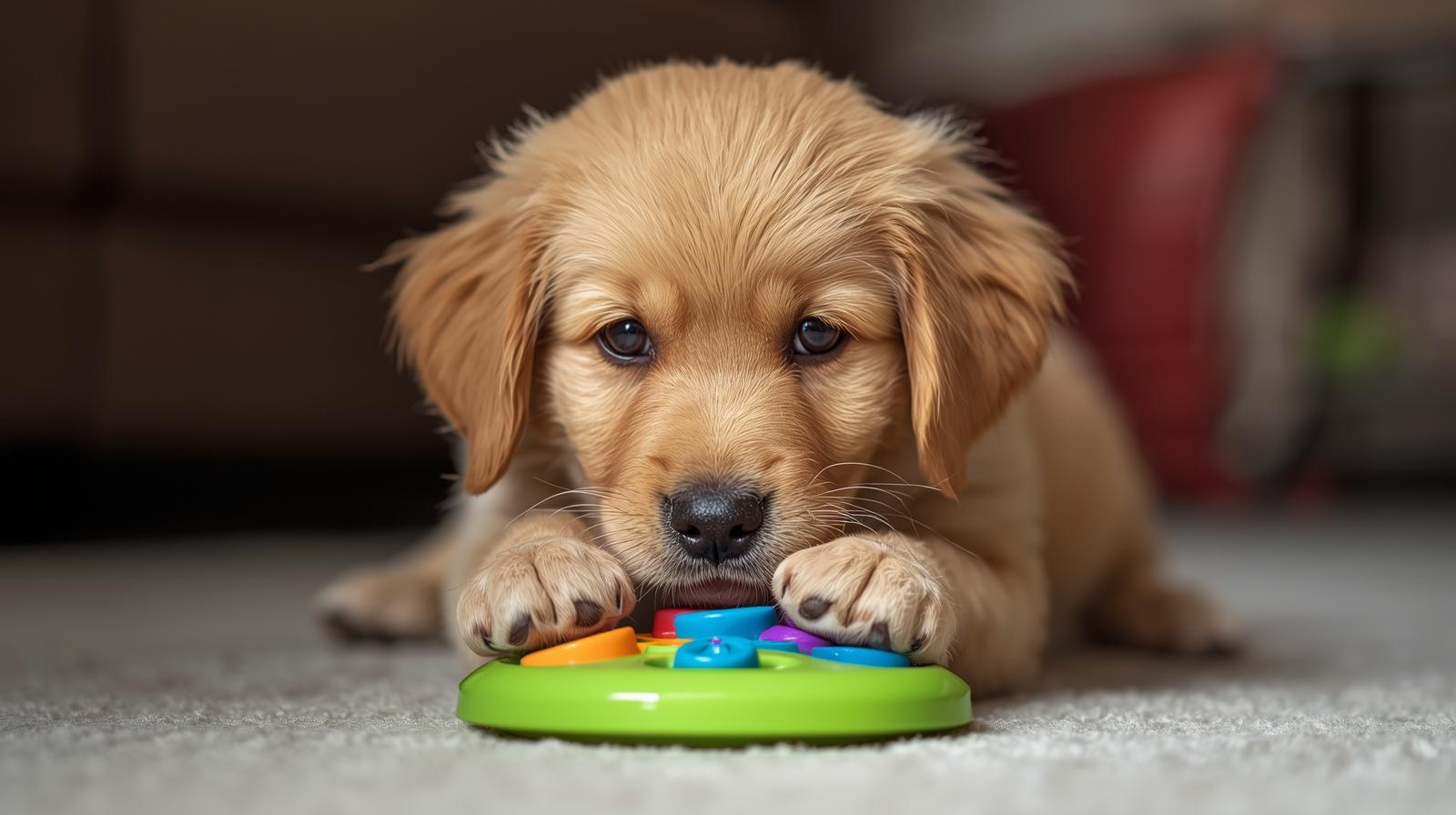
- Different surfaces (grass, tile, carpet, hardwood, gravel)
- People wearing hats, sunglasses, or uniforms
- Friendly, vaccinated dogs in controlled settings
- Car rides, crates, leashes, and gentle handling
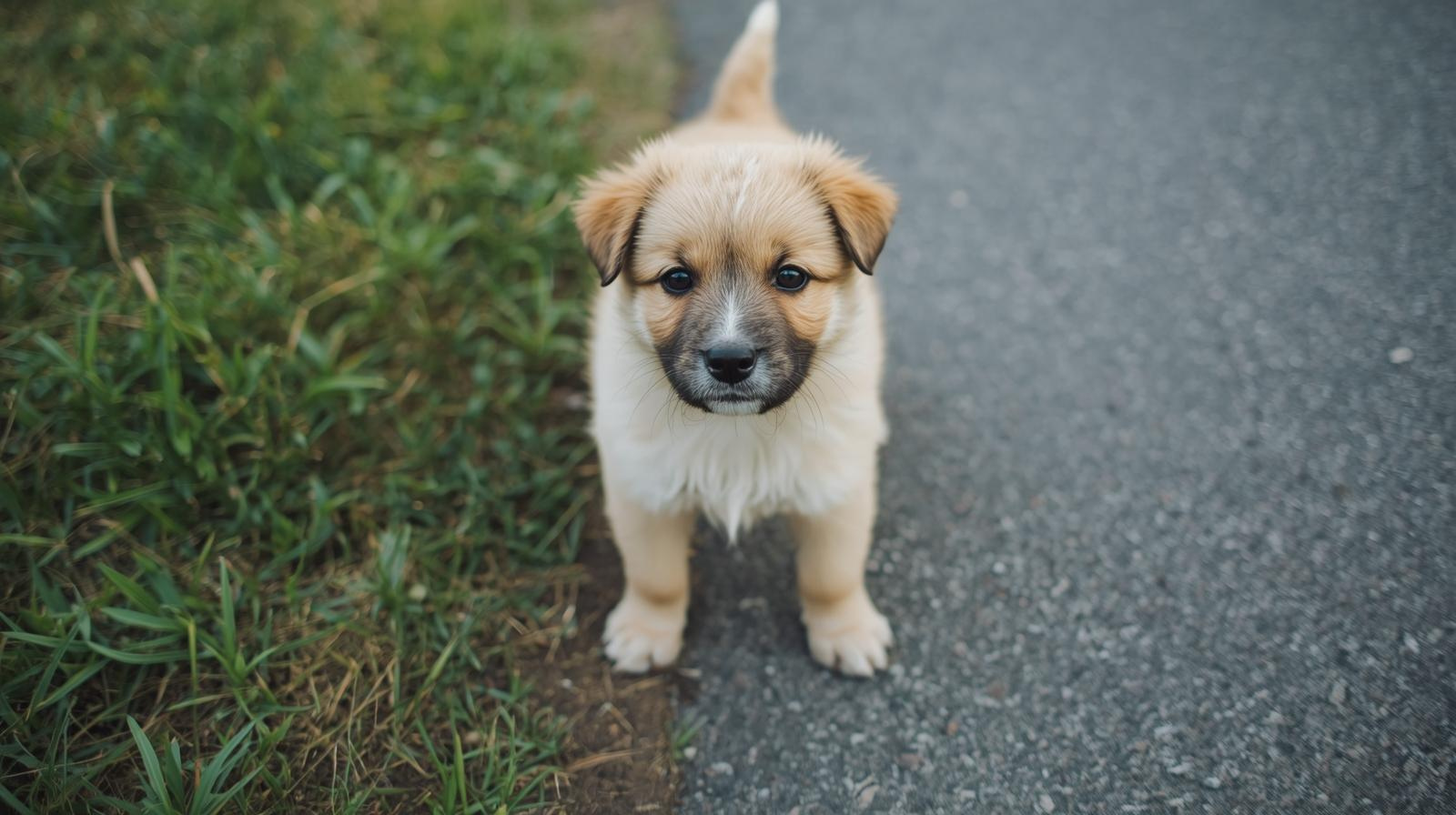
The goal is simple: create positive associations so new experiences feel safe, not scary.
When and How to Begin
The best time for socialization is the critical learning window — between 3 and 16 weeks of age. During this phase, puppies are naturally curious and open to new experiences.
Breeders in the
Homemade Puppies network (link to
/puppy-breeders
) begin early exposure with calm handling and gentle novelty. Once your puppy comes home, continue introducing new experiences gradually.
Tips:
- Keep sessions short
- Stay calm and supportive
- Pair new experiences with treats, praise, or play
- Let confidence build through repetition

Confidence grows through comfort, not pressure.
Common Mistakes to Avoid
- Doing too much too fast — overwhelming experiences can backfire
- Forcing interactions — let the puppy approach at their own pace
- Skipping rest — rest helps puppies process new information
- Only focusing on people/dogs — real socialization includes sounds, textures, movement
- Constant stimulation — puppies also need calm and quiet
Balanced exposure is the key.
How Breeders and Families Work Together
Breeders in the Homemade Puppies community use structured, thoughtful socialization programs that expose puppies to:
- Household environments
- Gentle handling
- New textures and sounds
- Early foundational play
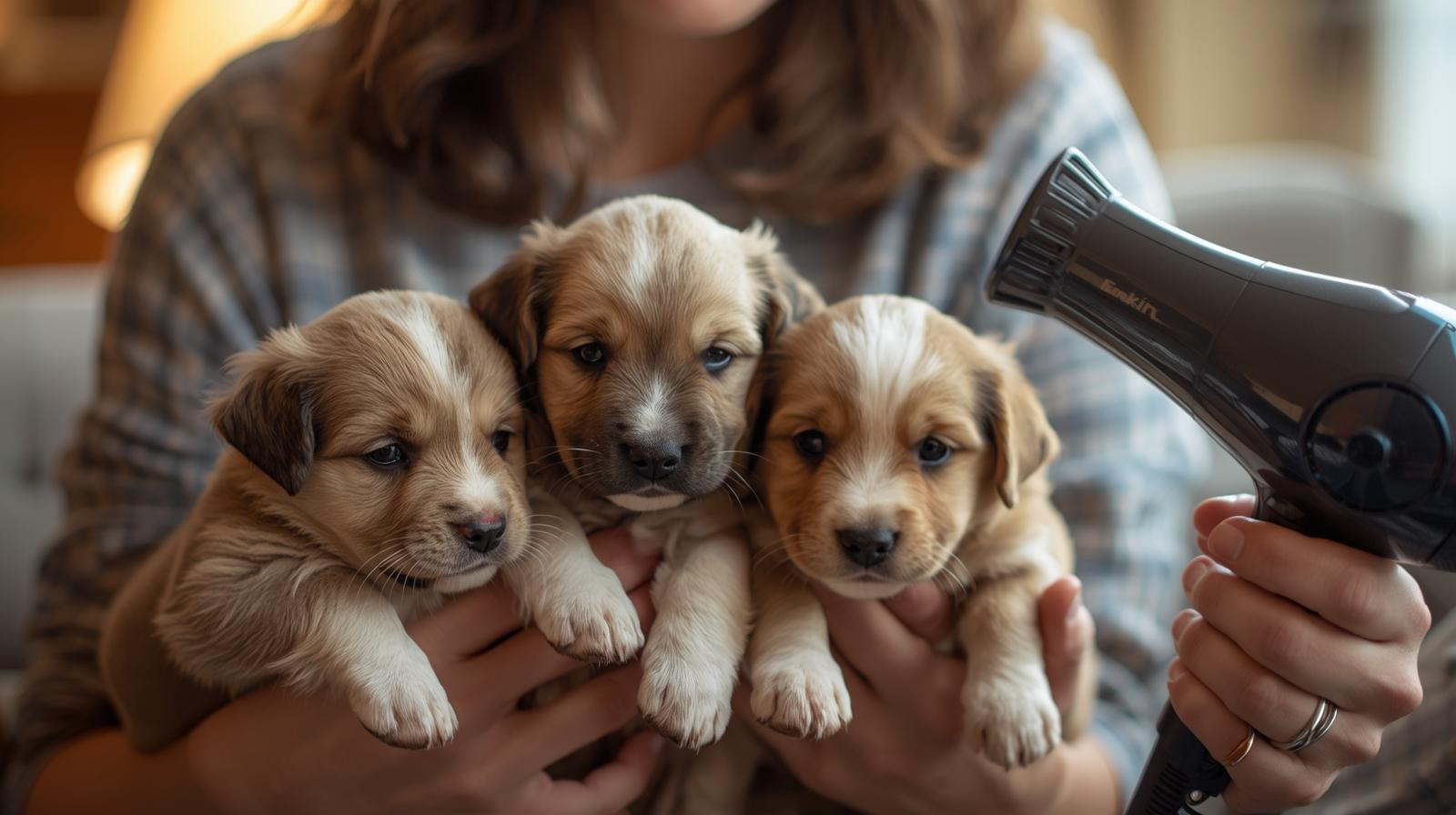
When families continue these experiences, they reinforce the calm foundation the breeder began. Every positive interaction adds to a puppy’s emotional resilience.
Continuing Education
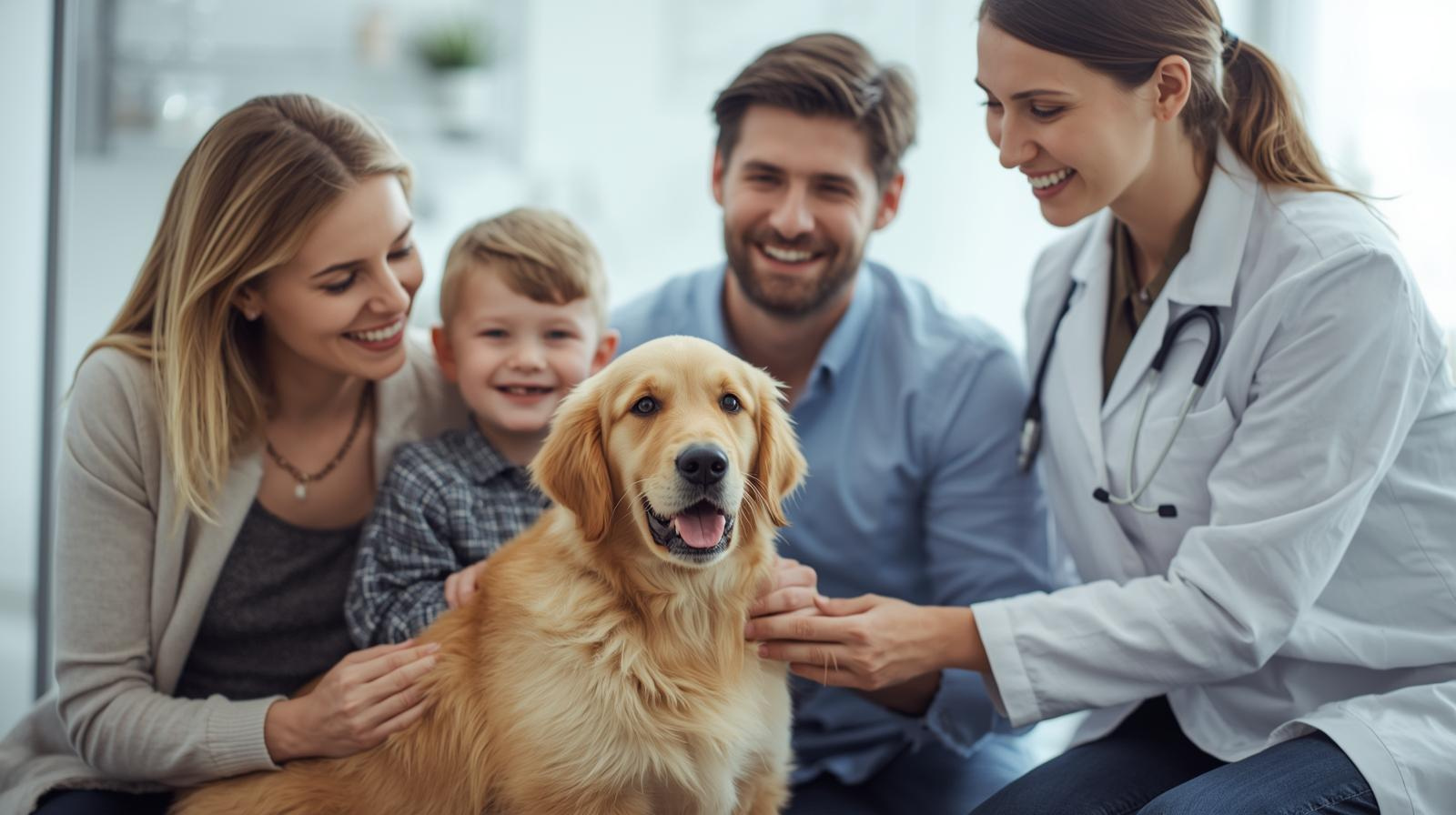
Families looking for guided support can explore training through Neshaminy Creek Dog Training. Their trainers teach:
- Puppy body language
- Safe socialization activities
- Confidence-building play
- Structured exposure methods
Their programs help families carry forward the calm, intentional foundation created by responsible breeders.
External Link (included inside the copy):
For additional professional guidance on early socialization, the
American Veterinary Medical Association offers a helpful overview on why early exposure matters.
Link:
https://www.avma.org/resources-tools/pet-owners/petcare/your-puppys-socialization-period
Closing Thoughts
Socialization isn’t a one-time task — it’s an ongoing journey of exposure, trust, and connection. Every sound, sight, new surface, and gentle moment shapes your puppy’s view of the world.
Start small. Stay consistent. Keep it positive.
A well-socialized puppy grows into a confident, adaptable dog who can handle life’s surprises with calm curiosity and joy.